
There’s nothing quite like the irresistible contrast of roasted Brussels sprouts balsamic style. Imagine deeply caramelized, crispy outer leaves giving way to tender, nutty centers, all finished with a glossy, sweet-and-tangy balsamic drizzle. Whether you are throwing together a quick weeknight dinner or planning an elaborate holiday feast for Thanksgiving, Christmas, or Easter, this easy Brussels sprouts side dish is guaranteed to steal the show. Even if you grew up thinking you hated these little cabbage cousins (or if you’re one of the many folks who casually searches for “Brussel sprouts” without the second “s”), this oven roasted Brussels sprouts method will completely change your mind.
Why you’ll love this recipe:
- Easy, everyday ingredients
- Crispy outside and tender inside
- Ready in about 30 minutes
- Easy to customize
- Great with chicken, steak, salmon, turkey, or vegetarian meals
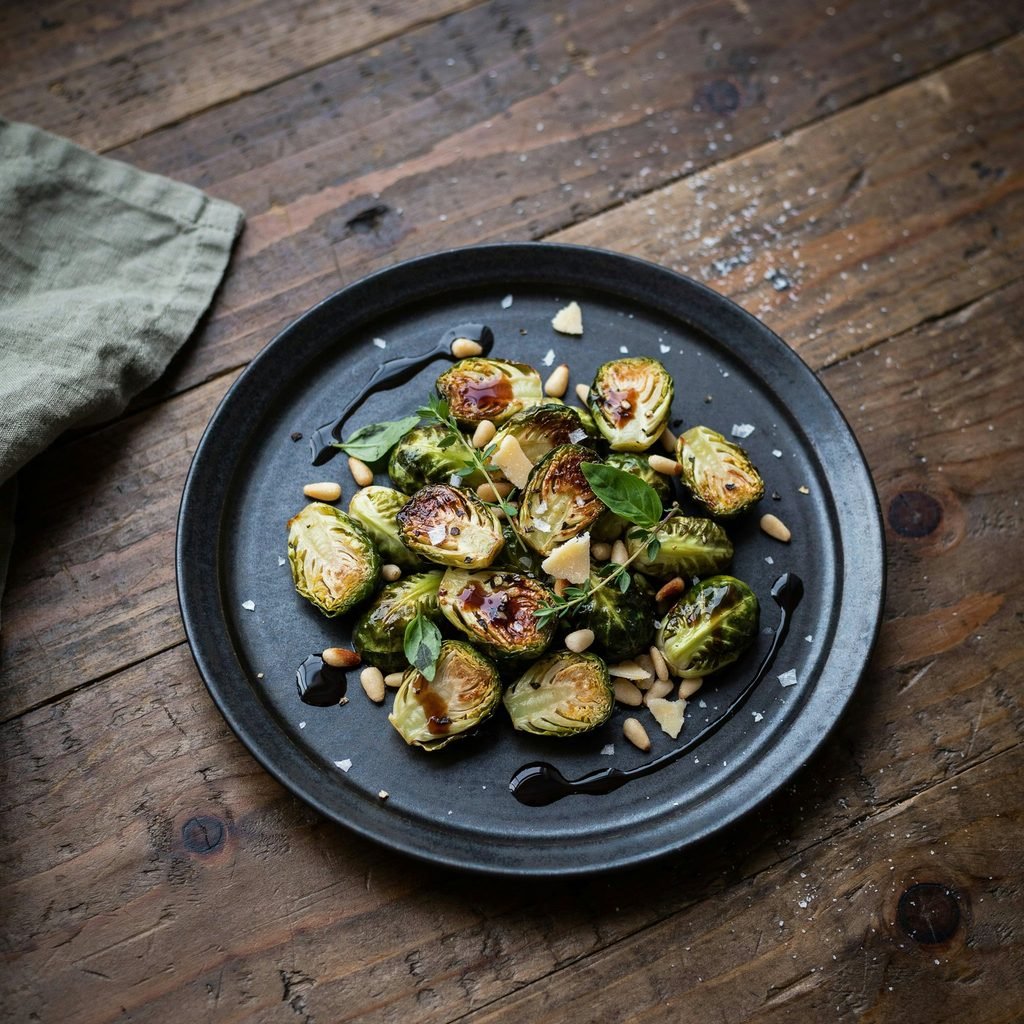
Why These Balsamic Roasted Brussels Sprouts Work
The secret to perfect caramelized Brussels sprouts lies in a few simple cooking principles. First, high heat is your best friend. Roasting at 425°F encourages the Maillard reaction, which develops those deeply browned, savory edges while keeping the inside perfectly tender. Second, how you place them on the pan matters immensely. By laying the sprouts flat with their cut sides touching the hot metal, you maximize surface contact for superior browning and flavor development.
Olive oil acts as a conductor for that heat, ensuring the vegetables roast rather than dry out in the oven. When it comes to the finishing touch, the acidity of Brussels sprouts with balsamic vinegar cuts through the natural richness of the oil, while a thicker balsamic glaze adds a beautiful, sweet complexity. A touch of honey or maple syrup is entirely optional but helps balance the glaze if you prefer a sweeter profile. Ultimately, roasting transforms the flavor of the vegetable from sharp or overly cabbage-like to nutty, savory, and slightly sweet. It’s a foolproof method that turns a humble vegetable into a crave-worthy side dish.
Ingredients You’ll Need
To make this balsamic Brussels sprouts recipe, you only need a handful of basic pantry staples and fresh produce.
- Brussels Sprouts: Look for firm, bright-green sprouts that feel heavy for their size. Smaller sprouts tend to be sweeter and can be left whole or simply halved. Larger ones should definitely be halved so they cook evenly and develop those coveted crispy edges.
- Olive Oil: You need just enough to lightly coat the vegetables. This helps them crisp up without becoming greasy.
- Balsamic Vinegar or Glaze: You can use a store-bought balsamic glaze (sometimes called a crema) for a thick, syrupy finish, or reduce regular balsamic vinegar on the stove.
- Kosher Salt and Black Pepper: Freshly cracked black pepper and coarse kosher salt are essential for enhancing the natural flavors.
- Optional Sweetener: A drizzle of honey or pure maple syrup can mellow the sharp tang of the vinegar.
- Optional Add-ins: Feel free to elevate your sprouts with minced garlic, freshly grated Parmesan cheese, crispy bacon bits, toasted pecans or walnuts, dried cranberries, a pinch of lemon zest, fresh thyme, or red pepper flakes for a little kick.
How to Make Roasted Brussels Sprouts with Balsamic
Follow these simple steps for the ultimate roasted Brussels sprouts balsamic experience.
- Heat the oven and pan: Preheat your oven to 425°F. A properly preheated oven is crucial for immediate searing and caramelization. For an extra-crispy result, you can even place your empty rimmed baking sheet in the oven while it preheats.
- Prep the Brussels sprouts: Rinse your sprouts and dry them very thoroughly—moisture is the enemy of crispiness! Trim off the tough, dry stem ends and peel away any yellowed or damaged outer leaves. Halve the sprouts from stem to crown. If you have some massive ones, quarter them so all your pieces are roughly the same size.
- Season: Transfer the prepped sprouts to a large bowl. Drizzle with olive oil, add a generous pinch of kosher salt, and crack in some fresh black pepper. Toss well until every piece is evenly coated.
- Arrange properly: Carefully arrange the sprouts on your baking sheet. For the crispiest Brussels sprouts, do not overcrowd the baking sheet. Use two pans if needed. Place them cut-side down in a single layer, leaving a little space between each piece so they roast instead of steam.
- Roast until crisp: Roast for 20 to 30 minutes. Keep an eye on them toward the end. You are looking for visual doneness cues: the flat cut sides should be a dark, caramelized golden-brown, the loose outer leaves should look charred and crispy, and a fork should easily pierce the tender centers.
- Add balsamic: Remove the pan from the oven. Immediately drizzle your balsamic glaze (or a mixture of reduced balsamic vinegar and honey) over the hot sprouts. Toss gently to coat. Adding the glaze after roasting prevents the sugars from burning in the high heat and preserves that beautiful, glossy finish.
- Finish and serve: Transfer to a serving platter. This is the perfect time to add your finishing touches, like a shower of grated Parmesan, a handful of toasted nuts, dried cranberries, fresh herbs, or a pinch of red pepper flakes. Serve hot!
Balsamic Vinegar vs. Balsamic Glaze
When shopping for your balsamic roasted Brussels sprouts, you might wonder whether to grab a bottle of standard balsamic vinegar or a squeeze bottle of balsamic glaze. The choice simply depends on the texture and sweetness you prefer.
Regular balsamic vinegar is much thinner, tangier, and more acidic. It is fantastic for making vinaigrettes or creating a quick pan reduction. If you only have regular vinegar on hand, you can easily make your own glaze by gently simmering the vinegar in a small saucepan over medium-low heat until it reduces by half and becomes beautifully syrupy. You can also balance its sharp acidity by whisking in a teaspoon of honey or maple syrup right before drizzling it over your hot vegetables.
On the other hand, store-bought balsamic glaze (or balsamic reduction) is thicker, sweeter, and ready to use straight from the bottle. It clings perfectly to the crevices of the roasted leaves, providing a gorgeous visual appeal and a milder, sweeter flavor profile. If you opt for a ready-made glaze, always add it at the very end of the cooking process. Because it contains concentrated natural sugars, exposing it to 425°F oven heat for too long will cause it to scorch and turn bitter. Neither option is universally “better”—just choose the one that fits your pantry and your desired flavor profile!
Tips for Crispy, Caramelized Brussels Sprouts
Achieving that perfect restaurant-quality texture at home is easier than you think. Keep these practical tips in mind for the best crispy roasted Brussels sprouts:
- Dry them thoroughly: Water creates steam, and steam leads to mushiness. Use a salad spinner or clean kitchen towels to get your washed sprouts completely dry before adding oil.
- Cut uniformly: Try to keep your halved and quartered pieces roughly the same size so they finish cooking at the exact same time.
- Use the right pan: A large, light-colored, rimmed baking sheet is ideal. Dark pans can cause the bottoms to burn before the insides are tender.
- Embrace high heat: Don’t be afraid of the 425°F temperature. It’s necessary for caramelization.
- Maximize contact: Always arrange them cut-side down.
- Give them space: Overcrowding traps moisture. If your pan looks crowded, divide them between two sheets.
- Resist the urge to stir: Let them sit undisturbed for the first 15–20 minutes so that flat cut side can develop a deep, flavorful crust.
- Timing is everything: Add your glaze or vinaigrette off the heat to maintain the crisp texture.
- Taste and adjust: Before serving, taste a piece. Does it need a pinch more flaky salt? A squeeze of fresh lemon juice to brighten it up? Adjust to your liking.
Troubleshooting Common Issues:
If your sprouts turn out soggy, they were likely too wet before roasting, or the pan was overcrowded, causing them to steam. If your balsamic glaze tastes burnt or bitter, it was probably added before roasting and exposed to high heat for too long. Finally, if you find the flavor too bitter, ensure you are buying fresh, bright green sprouts (older, yellowing ones are more bitter), and don’t skip the balancing touch of salt, fat, and a hint of sweetness from your glaze.
Easy Flavor Variations
One of the best things about this roasted Brussels sprouts recipe is how adaptable it is. You can easily dress up this side dish to match the rest of your menu. Here are some of our favorite ways to mix things up:
| Variation | What to Add | Best For |
|---|---|---|
| Honey Balsamic Brussels Sprouts | Whisk 1 tbsp honey into your balsamic vinegar before reducing, or use a sweet glaze. | Family dinners and picky eaters who prefer a sweeter, milder bite. |
| Maple Balsamic Brussels Sprouts | Swap honey for pure maple syrup, and toss with toasted pecans and a pinch of cinnamon or fresh thyme. | Cozy fall meals and traditional Thanksgiving dinners. |
| Parmesan Balsamic Brussels Sprouts | Finish with a generous shower of freshly grated Parmesan cheese and a little lemon zest right before serving. | Italian-inspired dinners, pasta nights, or serving alongside chicken piccata. |
| Bacon Balsamic Brussels Sprouts | Toss the hot sprouts with crispy, crumbled bacon and a tiny dab of Dijon mustard mixed into the glaze. | Hearty holiday meals, game day spreads, or pairing with steak. |
| Garlic Balsamic Brussels Sprouts | Toss with 1/2 tsp garlic powder before roasting, or add minced fresh garlic during the last 3 minutes of cooking. | Quick, flavorful weeknight dinners. |
| Vegan Balsamic Brussels Sprouts | Use maple syrup instead of honey, and top with toasted walnuts and nutritional yeast instead of dairy cheese. | Plant-based meals and vegan holiday tables. |
| Spicy Balsamic Brussels Sprouts | Add a generous pinch of crushed red pepper flakes before roasting, or finish with a drizzle of hot honey. | Readers who love a sweet-and-spicy flavor contrast. |
Feel free to mix and match these ideas. [Internal link: Easy Roasted Vegetables] like carrots or sweet potatoes also roast beautifully on a separate pan to complete your spread!
What to Serve with Balsamic Brussels Sprouts
Because of their rich, nutty flavor and bright, acidic finish, balsamic glazed Brussels sprouts pair beautifully with a wide variety of main courses. The sweet acidity of the balsamic cuts through richer proteins and complements creamy side dishes perfectly.
For a classic, comforting weeknight meal, serve them alongside [Internal link: Honey Balsamic Chicken], a simple roast chicken, or a store-bought rotisserie chicken. They are equally fantastic next to grilled steak, pan-seared pork tenderloin, or a flaky baked salmon fillet.
When the holidays roll around, this dish is a standout on the Thanksgiving or Christmas table. It holds its own next to a massive turkey, savory meatloaf, or a glazed ham. To round out the plate, serve them with creamy mashed potatoes, a wild rice or quinoa pilaf, or a rich, cheesy pasta bake.
If you are hosting a vegetarian dinner, these sprouts make a stellar accompaniment to a hearty lentil loaf, a stuffed acorn squash, or a thick slice of butternut squash gratin. No matter what you are serving, this versatile vegetable side brings a pop of color, a satisfying crunch, and a complex flavor profile that elevates the entire meal.
Storage, Reheating, and Make-Ahead Tips
If you have leftovers, proper storage is key to maintaining texture. Transfer cooled sprouts to an airtight container and refrigerate for 3 to 4 days. If possible, store extra balsamic glaze separately so the sprouts don’t become soggy.
When it’s time to reheat, skip the microwave if you care about crispiness! Instead, reheat them in a 400°F oven for 5 to 10 minutes, pop them in an air fryer at 350°F for 3 minutes, or toss them in a hot skillet until warmed through.
To save time on busy nights or holiday mornings, prep the sprouts ahead. Trim, halve, and wash them up to two days in advance. Dry them incredibly well, store them in a sealed container lined with a paper towel in the fridge, and toss with oil right before roasting. We do not recommend freezing cooked Brussels sprouts, as the leaves will lose their crisp texture and become quite soft upon thawing. [Internal link: Air Fryer Brussels Sprouts] are also a great alternative if you want to cook a smaller, faster batch from scratch.
Roasted Brussels Sprouts Balsamic FAQs
1. Should I put balsamic vinegar on Brussels sprouts before or after roasting?
It is almost always best to add balsamic vinegar or glaze after roasting. Balsamic contains natural sugars that can easily scorch and turn bitter when exposed to 425°F oven heat for 20 minutes. Tossing the hot, freshly roasted sprouts with the glaze right before serving preserves the glossy texture and bright, sweet-tangy flavor without the risk of burning.
2. Why are my roasted Brussels sprouts not crispy?
Soggy sprouts are usually the result of excess moisture or overcrowding. If you don’t dry your sprouts thoroughly after washing, the water turns to steam in the oven. Similarly, if you pile them too close together on the baking sheet, they will steam in their own juices rather than roast. Always use a single layer and give them plenty of space on the pan.
3. Can I use balsamic vinegar instead of balsamic glaze?
Yes, you absolutely can! Regular balsamic vinegar is much thinner and more acidic than a glaze. To mimic a glaze, simply pour the vinegar into a small saucepan and simmer it gently over medium-low heat until it reduces by half and becomes syrupy. You can also whisk in a little honey or maple syrup to balance the sharp acidity before drizzling it over your sprouts.
4. How do I make Brussels sprouts less bitter?
Bitterness is often caused by older, larger sprouts or improper cooking. To avoid this, select smaller, bright green, firm sprouts, which are naturally sweeter. Roasting at a high temperature with plenty of olive oil and salt also mellows the bitter, cabbage-like compounds, transforming them into a nutty, savory flavor. Finally, finishing them with a sweet-and-tangy balsamic glaze beautifully balances any remaining sharp notes.
5. Can I make balsamic roasted Brussels sprouts in an air fryer?
Yes, an air fryer works wonderfully for this recipe! Toss your halved, dried sprouts in olive oil, salt, and pepper, then arrange them in the air fryer basket in a single layer. Cook at 375°F to 400°F for 10 to 15 minutes, shaking the basket halfway through, until they are crispy and tender. Transfer them to a bowl and toss with your balsamic glaze before serving.
6. Should Brussels sprouts be cut-side up or cut-side down?
Always place them cut-side down! The flat surface maximizes contact with the hot baking sheet, which promotes the Maillard reaction. This creates that deeply caramelized, golden-brown crust and intense savory flavor that makes this side dish so irresistible. The loose outer leaves will naturally crisp up and char beautifully in the dry heat of the oven.
7. Are roasted Brussels sprouts good for Thanksgiving?
Absolutely! In fact, they are one of the most popular modern [Internal link: Thanksgiving Side Dishes]. They offer a fantastic contrast to heavy, creamy casseroles and rich mashed potatoes. Because they roast hands-off in the oven, they are incredibly easy to make while your turkey rests. You can even prep them a day in advance to save time on the big day.
Conclusion
Whether you are looking for a quick weeknight vegetable or a show-stopping holiday side, this roasted Brussels sprouts balsamic recipe is guaranteed to become a staple in your kitchen. The combination of high-heat caramelization, crispy leaves, and a sweet-tangy glaze transforms a simple ingredient into something truly special. It is flexible, forgiving, and endlessly customizable to suit your family’s tastes. We hope you love this easy method as much as we do! Try out one of our flavor variations this week, and be sure to leave a comment below letting us know what main dish you served alongside your crispy sprouts. Happy roasting!
Recipe Card
Roasted Brussels Sprouts with Balsamic Glaze
- Prep time: 10 minutes
- Cook time: 20–30 minutes
- Total time: 30–40 minutes
- Yield: 4 servings
- Category: Side Dish
- Method: Oven Roasted
- Cuisine: American
Ingredients:
- 1.5 lbs fresh Brussels sprouts
- 2 tbsp extra-virgin olive oil
- 1/2 tsp kosher salt (plus more to taste)
- 1/4 tsp freshly ground black pepper
- 2 tbsp balsamic glaze (or 3 tbsp balsamic vinegar reduced with 1 tsp honey)
- Optional: Grated Parmesan, toasted pecans, dried cranberries, or red pepper flakes for garnish
Instructions:
- Preheat your oven to 425°F. Place a large rimmed baking sheet inside to heat up (optional, but helps with crispiness).
- Rinse the Brussels sprouts and dry them thoroughly. Trim the tough stem ends and remove any yellow outer leaves. Halve the sprouts from stem to crown (quarter very large ones).
- In a large bowl, toss the sprouts with olive oil, kosher salt, and black pepper until evenly coated.
- Carefully remove the hot pan from the oven. Arrange the sprouts in a single layer, cut-side down. Ensure they are not overcrowded; use a second pan if necessary.
- Roast for 20 to 30 minutes, without stirring, until the cut sides are deeply caramelized and the outer leaves are crispy.
- Transfer the hot sprouts to a serving bowl and immediately drizzle with balsamic glaze. Toss gently to coat.
- Garnish with optional add-ins like Parmesan or pecans, and serve hot.
Storage Notes: Store leftovers in an airtight container in the fridge for 3-4 days. Reheat in a 400°F oven or air fryer to maintain crispness. Avoid freezing.
Nutrition information is an estimate and may vary based on ingredient brands, serving size, and optional additions.
